

EMPOWERED COMMUNITIES
OUR MISSION
Strengthen community systems to better protect children and address child labor enablers in cocoa communities.

CHALLENGES
Since the Harkin Engel Protocol in 2001, the cocoa industry has been working to find a response to tackle child labor in West Africa. Yet 25 years later, the situation remains largely unchanged. According to the NORC report of the University of Chicago (2020) child labor prevalence remains at 45% with 1.56 million cases, in in Côte d'Ivoire and Ghana. In the SOURIRE baseline report (BC Community Systems Approach Côte d’Ivoire Save the Children, SOURIRE Baseline 2025), conducted together with Save the Children and Cocoa Horizons, we see the same situation of children in cocoa growing communities:
- Community level: 1 in 4 children experience violence in their communities including physical, emotional, or sexual abuse.
- School level: 25% of children are out of school, and their futures are at risk. Most schools are in poor or very poor condition - most of the schools are made of wood with non-concrete floors and do not have latrines. 1 in 3 children say they don’t feel safe at school.
- Household level: 1 in 4 families live in extreme poverty, and 75% of adults in communities hold negative views about gender equality leading to discrimination.
- Child level: 1 in 4 children have suffered violence of any kind in the last 6 months. Fewer than 1% of children know where to report abuse or violations of their rights, leaving them vulnerable.
The main root causes of child labor are; cultural social attitudes and traditions, lack of government policy, limited availability, and access to quality education, economic insecurity, and climate change.
Cocoa Horizons has been implementing the ICI Child labor Monitoring and Remediation System (CLMRS) methodology since 2016, and our learnings show that to date, we have limited effectiveness to address child labor with case-by-case approaches. Furthermore, the supply chain strategies need to align with international child protection and child safeguarding standards to ensure safety and sustainability.

OUR APPROACH
Cocoa Horizons’ Community Systems Approach is about shifting models and creating a long-term change. The approach seeks to strengthen the overarching child protection system to prevent and respond to all forms of harm. Our approach is aligned with UNICEF's child-centered systems- strengthening approach and international, regional child protection standards.
By adopting a holistic child protection community systems approach the cocoa industry can lead a transformative change for children in cocoa-growing communities to strengthen the community resilience to structural vulnerabilities and protect children from all forms of harm.
THE STRENGTHS AND OPPORTUNITIES OF COMMUNITY SYSTEMS APPROACH
- Endorsed approach: by UNICEF and recommended by a report commissioned by the European Commission
- Aligns with international standards and best practices: consistent with international human rights principles and global child protection standards and best practices
- Focus on impact: it emphasizes prevention, collaboration, and sustainability
- Evidence-based and proven: draws on lessons from other sectors (e.g. tobacco, fisheries) where systemic approaches have delivered results
- Opportunity for Public-Private Partnerships (PPPs): enables collaborative efforts to tackle child labor and broader child protection issues effectively – with strong NGO engagement ready to contribute expertise and scale
Strengthen the protective environment for children in cocoa communities

5 components of community systems approach
Delivering tangible outcomes, improving wellbeing of community members and children

The Cocoa Horizons program is:
- aligned with OECD HRDD framework and ICI’s six key elements
- aligned UNICEF’s child centered framework
INITIATIVES FROM THE FIELD
Explore our examples of impactful initiatives across the supply chain, showcasing the hard work, dedication, and innovative approaches at the heart of our mission.
-
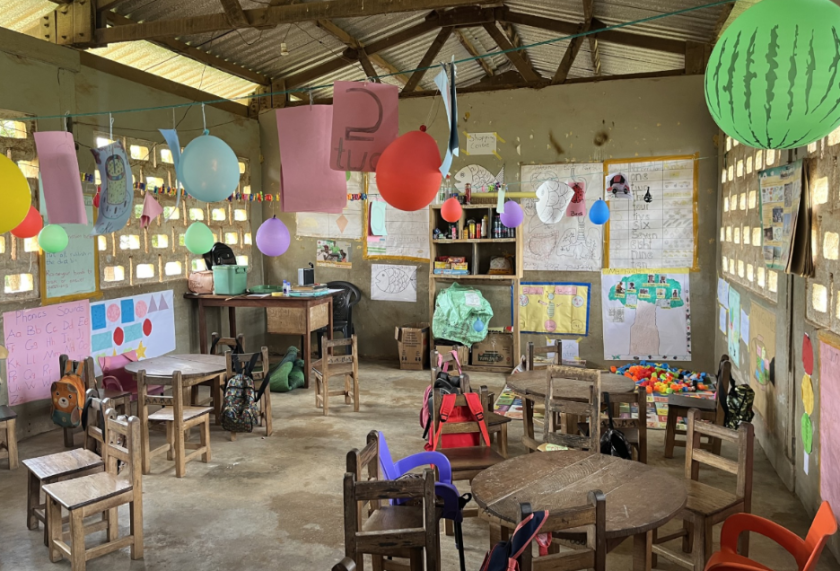 My Life My Rights - Ghana
Play based learning with Right to Play
-
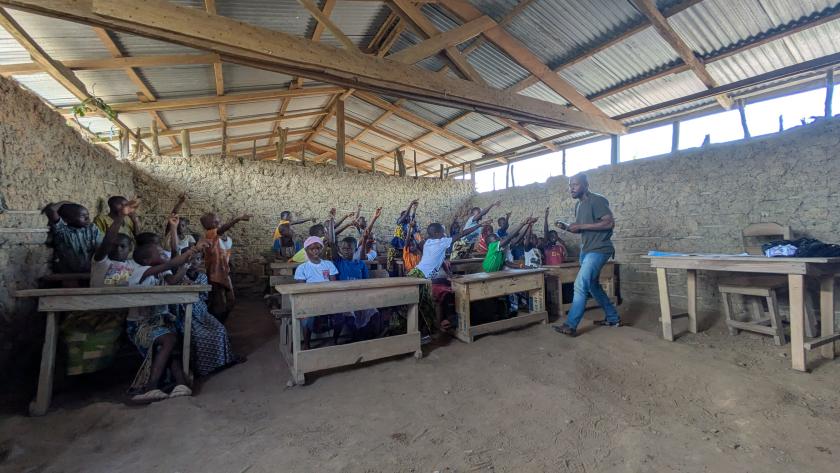 SOURIRE – Côte d’Ivoire
Collective agreements for child protection with Save the Children
-
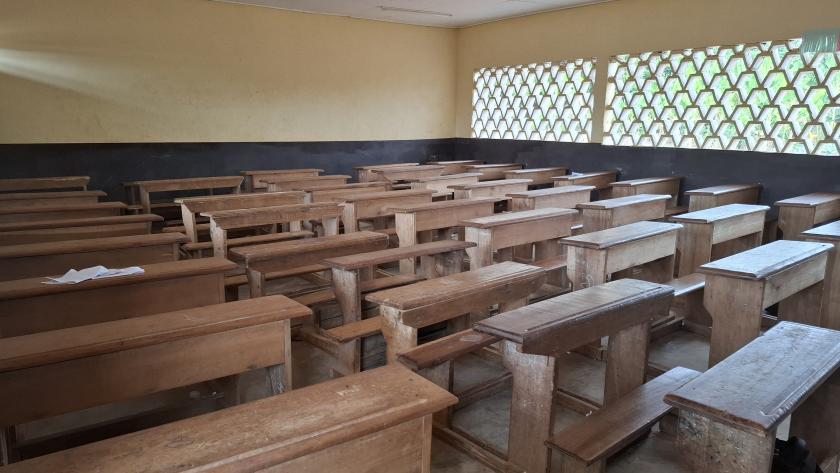 CLECA – Nigeria
Children as co-researchers for change with Terre des Hommes
-
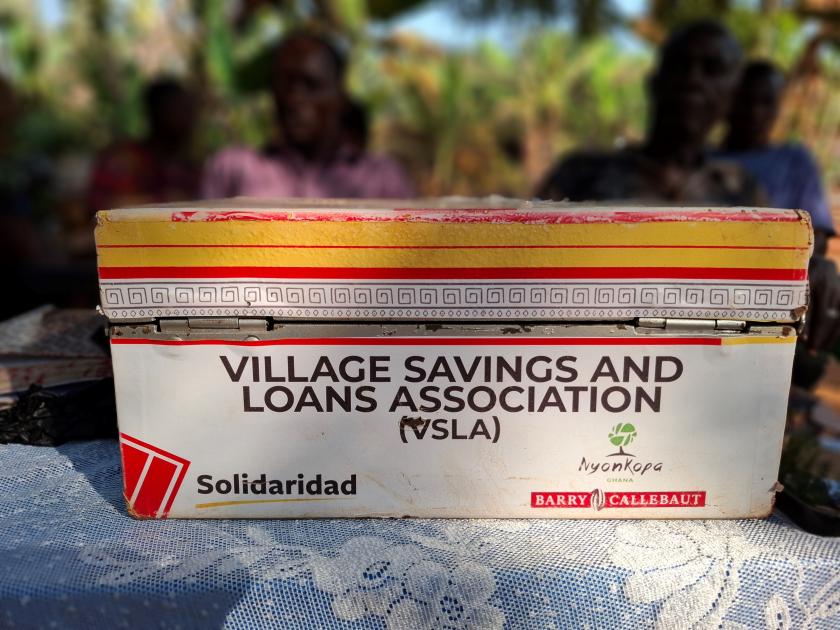
Village Savings and Loans Associations (VSLA)


